“We Won, And That Was The Start Of Modern Cricket” – Lalit Modi opens up on IPL’ – How the BCCI Power Struggle Paved the Way for the IPL: Lalit Modi Reveals
The Birth of a Cricket Revolution
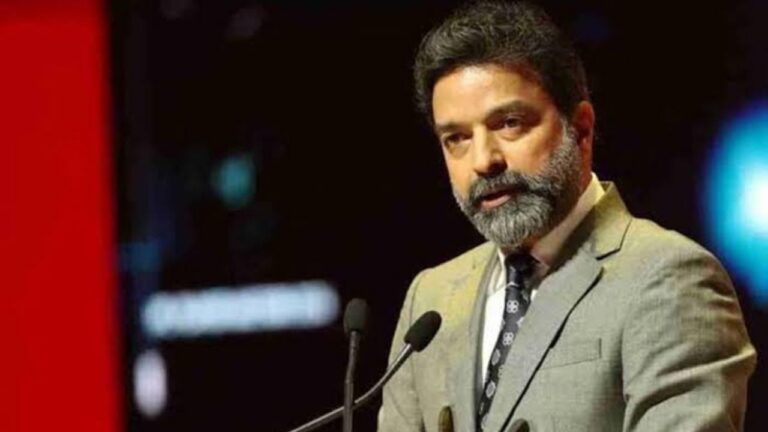
The Indian Premier League (IPL) is today recognized as one of the most valuable sporting properties on the planet, a behemoth that blended the franchise-based model of American sports with the unparalleled passion of the Indian public. However, the road to its inception was not merely a matter of commercial foresight; it was paved with intense political maneuvering and power struggles within the Board of Control for Cricket in India (BCCI). In a candid interview on Ridhima Pathak’s YouTube show Bad Decisions, former administrator Lalit Modi recounted how he maneuvered to shift the balance of power, effectively setting the stage for what he calls the beginning of modern cricket.
The 2005 BCCI Election: A Turning Point
Lalit Modi’s vision for a high-octane, city-based T20 league initially faced rejection from the BCCI in the late 1990s. To bring his project to fruition, he realized that a fundamental change in the board’s leadership was necessary. The focus turned to the 2005 BCCI presidential election, where Modi and his allies backed Sharad Pawar to challenge the establishment led by Jagmohan Dalmia.
The tension during this period was palpable. Modi described a climate of fierce rivalry, where loyalty was constantly tested and influence was traded behind closed doors. He recalled a heartbreaking loss by a single vote during an earlier attempt, a defeat he attributed to internal disagreements and the maneuvering of the rival faction. “We go for election, confident of winning and we lose by one vote. Because there’s a fight… Agashe gets bought over by the Dalmia faction,” Modi explained, highlighting the cutthroat nature of the battle.
A Legal Masterstroke in Kolkata
Undeterred by previous setbacks, the faction backing Pawar prepared for a decisive showdown on November 29, 2005, in Kolkata—Dalmia’s home turf. Anticipating attempts to manipulate the electoral process, Modi orchestrated a strategic legal move that caught his opponents entirely off guard.
“I remember clearly it’s my birthday. Calcutta, the elections. I am in many courts, fighting. We managed to get the Supreme Court to pass an order that the elections will be conducted under the aegis of two Supreme Court retired judges,” Modi stated. The arrival of these judges at the meeting effectively neutralized the influence of the established hierarchy, leading to an uproar and a day of intense drama that stretched into the evening.
Aggressive Tactics and the Winning Vision
The battle for votes was not limited to legal arguments; it extended to logistics and personal security. Modi admitted that both sides engaged in aggressive tactics to ensure their delegates arrived to vote. Reports of diverted flight plans and members being held in hotels underscored the desperation of the era. “People whose flights are being diverted. And I must say, we diverted a few flights also of their members,” he noted, emphasizing the lengths to which both sides were willing to go to secure victory.
Despite the presence of heavyweights like Arun Jaitley, N. Srinivasan, and Anurag Thakur backing the incumbent side, the Pawar faction emerged victorious. For Modi, this win was not just a political success; it was a mandate for change. He described his group as the merit-based alternative that promised to modernize the administration and broaden the horizons of Indian cricket.
The IPL as the Legacy of Political Victory
The victory on that November day in 2005 was the necessary precursor to the commercial innovations that followed. With Sharad Pawar in control, the board’s leadership was empowered to embrace the franchise model that Modi had championed for years. By blending Bollywood, local city representation, and international star power, the IPL was eventually born, transforming the financial landscape of the sport globally.
Reflecting on these events nearly two decades later, Lalit Modi maintains that these turbulent times were the crucible in which modern cricket was forged. The shift in power did more than just change the board’s president; it ushered in an era of globalization, commercialization, and entertainment that defines the sport today. While the methods were controversial and the battles were bitter, the outcome fundamentally altered the trajectory of the game, cementing the IPL’s status as a sporting phenomenon.

Related Articles