‘Predictable’ – GT’s bowling is ‘a bit like SRH’s batting,’ says Tom Moody – IPL 2026: Why Gujarat Titans’ ‘Predictable’ Bowling Cost Them in Qualifier 1
The Dharamsala Meltdown: Gujarat Titans’ Bowling Exposed
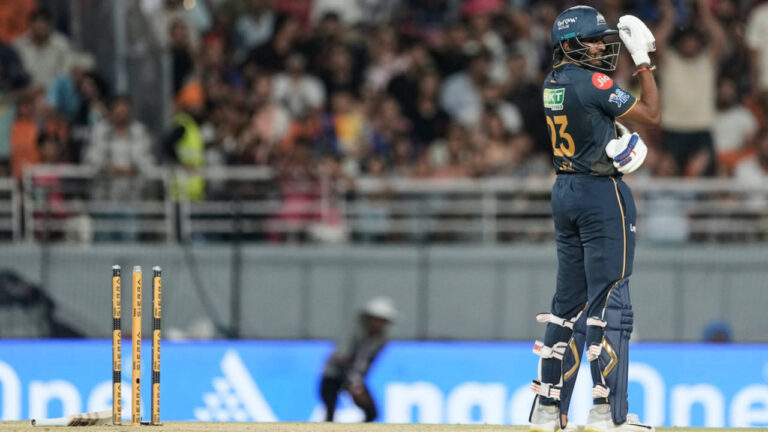
In Qualifier 1 of the IPL 2026, Royal Challengers Bengaluru (RCB) put on a masterclass of aggressive batting, systematically dismantling the highly regarded Gujarat Titans (GT) bowling lineup. The Dharamsala track, known for its flat nature on the night, offered zero assistance to the pacers, leaving GT’s spearheads completely exposed. Kagiso Rabada and Mohammed Siraj, who have built their reputations on hard lengths, swing, and Test-match-style disciplines, struggled to find answers as the RCB batters launched an all-out assault.
Together, Rabada and Siraj returned combined figures of 7-0-100-2, with both wickets falling to Rabada. The lack of variation and the inability to adapt to a non-responsive surface became the focal point of post-match discussions, raising major questions about the tactical flexibility of the Gujarat Titans’ coaching staff and leadership.
The ‘SRH Batting’ Comparison: Tom Moody’s Tactical Breakdown
Speaking on ESPNcricinfo TimeOut, Tom Moody, the Lucknow Super Giants (LSG) global director of cricket, drew a fascinating comparison between GT’s bowling and Sunrisers Hyderabad’s (SRH) batting. Moody explained that both units are highly dependent on favorable conditions to excel, making them vulnerable when circumstances shift.
“When there’s zero movement in the surface, that’s when they’re vulnerable, because they don’t have the real extreme change-ups, you know, of pace and variety,” Moody observed. “They do become predictable for that. It’s a bit like Sunrisers. As soon as Sunrisers are put on a surface that’s doing a bit, that batting line-up really struggles. So it’s the complete opposite.”
Moody further elaborated on why the lack of lateral movement proved fatal for GT’s premier quicks. “You get the ball just nipping or swinging a little bit, and Siraj and Rabada – all the very best to you, because you’re going to have a tough examination. This is a very, very flat surface. And we saw that in the powerplay. And they don’t have the answers, they don’t have the huge change-ups of pace, the deception, they don’t have the [Lungi] Ngidi slower ball or something [making the batters] go reaching for it. They’ve got them, but they’re not their trump card. Their trump card is when it’s doing a bit and they can hit that hard length and create issues both on inside and on the outside of the bat.”
RCB’s Powerplay Carnage and Rajat Patidar’s Masterclass
With GT’s pacers unable to find movement, RCB’s top order capitalized immediately. The Bengaluru franchise plundered a massive 76 runs in the powerplay alone. The top-order batters operated at astonishing strike rates during this initial phase:
- Venkatesh Iyer: Struck at a blistering 271.42
- Devdutt Padikkal: Scored at 209.09
- Virat Kohli: Maintained a rapid 188.88
The onslaught did not stop after the powerplay. Rajat Patidar took center stage and utterly demolished the GT bowling unit, smashing an unbeaten 93 runs off just 33 balls. GT’s inability to stem the flow of runs highlighted a glaring absence of a Plan B on batting-friendly wickets.
The Critical Absence of a Plan B
Former Indian cricketer Ambati Rayudu echoed Moody’s sentiments regarding the predictability of the Titans’ bowling. Rayudu emphasized that modern-day batters are too skilled to be kept quiet when they know exactly what type of delivery is coming their way.
“You know what to expect [against GT], and when good batsmen, like what RCB have, know that this is the kind of bowling that’s going to come at us, they are prepared for it,” Rayudu stated. “You can only be so good, but on a given day a batsman goes after you, what is your plan B? You don’t have great slower balls. You don’t bowl defensive bowling up top. Sometimes you need to go defensive on surfaces that are very, very good, to become attacking again after you get a wicket. You need to always have the game under control and GT, one way or the other, either they have it under complete control or they lose it.”
The Toss Dilemma: Did GT Make the Wrong Call?
Winning the toss and electing to field first in a high-pressure playoff game is always a heavily debated decision. Prior to this match, teams chasing had won both games played in Dharamsala earlier in the season, which likely influenced GT’s decision. However, Rayudu argued that GT should have played to their core strengths rather than worrying about local chasing trends.
Rayudu revealed he had advised a friend before the game that GT’s best chance lay in losing the toss. “Because a team that has limitations, they have to play in their limitation. They should not overdo things just because it is a playoff. Just do your little bit and then let your bowlers – the best part of your team, the strength of your team – to go out there and try and defend, because they are in tremendous form.”
He added, “So you get 200 or even 190 or even 180, sure, but you at least are giving yourself a great chance. I always remember this: when I was playing for MI [Mumbai Indians], the great Ricky Ponting always told us, ‘under pressure, win the toss and bat’. I think the Aussies do that a lot, put runs on the board. What is your strength? I mean, if I can’t land a punch and I can kick, you should only kick. Why should you try and land a punch? You try and do what you can do best.”
Looking Ahead
The heavy defeat in Qualifier 1 serves as a stark wake-up call for the Gujarat Titans. While their hard-length strategy has built a formidable fortress in Ahmedabad, flat away tracks will continue to test their versatility. To go all the way, GT’s bowling unit must develop dependable defensive variations and learn to adapt when conditions do not play into their hands.

Related Articles