Kagiso Rabada’s Old Comment On Virat Kohli Viral After Travis Head Fight – Virat Kohli vs Travis Head: The Resurfacing of Kagiso Rabada’s Past Criticism
The Heat of the Moment: Kohli and Head
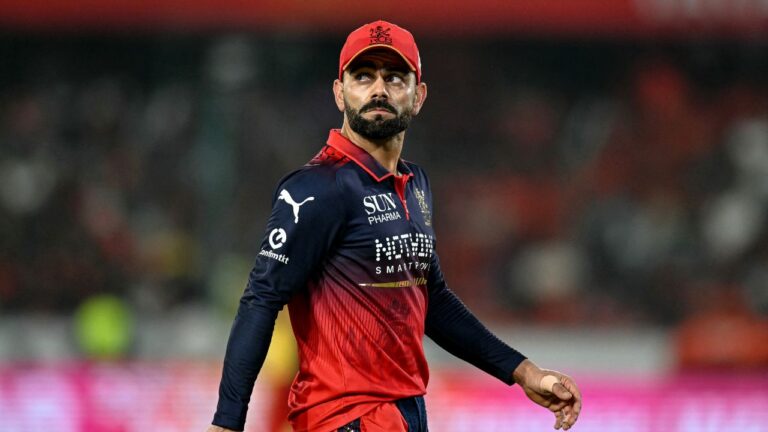
The IPL 2026 season has been no stranger to high-stakes drama, but the recent clash between Royal Challengers Bengaluru (RCB) and Sunrisers Hyderabad (SRH) has transcended mere match statistics. Virat Kohli, widely regarded as one of cricket’s most aggressive and skillful icons, found himself at the center of a social media storm following a heated verbal exchange with Australian opener Travis Head.
As tempers flared on the pitch, the reaction from the cricketing world was swift and polarized. Critics were quick to slam Kohli for what they perceived as unnecessary hostility, raising broader questions about the veteran batter’s maturity and his adherence to the spirit of the game. The incident, which included reports of Kohli making angry gestures and allegedly refusing a post-match handshake, has left many wondering where the line between competitive fire and unsportsmanlike conduct lies.
The Rabada Connection: An Old Critique Resurfaces
In the wake of the controversy, the digital sphere has unearthed a poignant critique from South African pace spearhead Kagiso Rabada. Dating back to a 2019 tour of India, Rabada’s assessment of Kohli’s personality has gained new relevance. During a tense series, Rabada noted that while Kohli is a phenomenal player, his approach to sledging is notably lopsided.
“Virat hit me for a boundary and had a word. But then when you give it back to him, he gets angry. Maybe he does it because it gets him going, but that comes across as very immature for me. Phenomenal player but can’t take the abuse,” Rabada famously remarked. This resurfaced comment has added significant fuel to the ongoing debate, framing the current IPL drama as part of a long-standing pattern of behavior rather than an isolated incident.
The Fallout and the Human Element
The intensity of the on-field confrontation quickly bled into the online space, resulting in a disturbing wave of toxicity. Jessica Head, wife of Travis Head, revealed that she and her inner circle were subjected to online abuse following the viral clips of the altercation. This incident has drawn uncomfortable parallels to the backlash the Head family reportedly faced after the 2023 ODI World Cup final, highlighting the often-dark side of fan devotion.
As for Kohli, the RCB star has remained largely silent on the matter, focused instead on the high-pressure environment of the IPL 2026 Qualifier 1 against Gujarat Titans (GT).
Analyzing the ‘Aggression’ Narrative
It is worth examining the duality of Virat Kohli’s cricket identity. For over a decade, Kohli has constructed a brand built on fierce competitiveness: chest-thumping celebrations, intense crowd engagement, and relentless verbal involvement. In the past, this was consistently lauded as ‘passion’ and a ‘winning mindset.’ It was the fire that defined the modern Indian team.
However, the current narrative suggests a shift in perception. The question arises: why is the same aggression that was once celebrated now being scrutinized as ‘unsportsmanlike’? Elite cricket, particularly when involving teams known for their own aggressive styles—such as the Australian contingent—has always been a game of emotional exchanges. Sledging is historically embedded in the fabric of the sport.
- The Argument for Passion: Supporters argue that Kohli’s intensity is exactly what keeps him at the top of his game, and that removing this aggression would strip him of his competitive edge.
- The Argument for Sportsmanship: Critics contend that as a veteran and a global ambassador of the sport, Kohli should exercise greater emotional control, especially when dealing with opponents who are simply playing the game.
Perhaps the truth lies somewhere in the middle. Kohli remains a hyper-competitive individual whose personality is inextricably linked to his on-field confrontations. While the outrage over the IPL incident may appear exaggerated to some, it reflects a changing expectation among fans who are increasingly sensitive to the line between healthy competition and personal animosity. Ultimately, the debate surrounding Kohli, Rabada’s past comments, and the Head confrontation serves as a stark reminder of the immense pressure and scrutiny that faces modern sporting icons in the digital age.

Related Articles